How the Paver Installation Process Works Step-by-Step
People searching for how the paver installation process works step-by-step are often looking to understand the typical steps involved, and local contractors can guide them through the entire process efficiently.
Understanding how the paver installation process works step-by-step can help property owners make informed decisions when planning outdoor upgrades. Whether you're considering a new patio, walkway, or driveway, knowing what to expect can ease concerns about the project's scope and ensure smooth communication with service providers. Local contractors who specialize in paver installation are equipped to guide you through each phase, from initial planning to the final finish, making the process straightforward and manageable for property owners.
Exploring this topic is especially practical for those in the area who want to ensure their outdoor spaces are both functional and visually appealing. By familiarizing yourself with the typical steps involved, you can better evaluate the services offered by local pros and choose the right team for your project. Keep reading to learn more about how experienced service providers handle each stage of paver installation, helping you turn your outdoor vision into reality with confidence.
- Patio or Walkway Installation - homeowners planning to enhance outdoor living spaces often seek local contractors to handle the step-by-step paver installation process.
- Driveway Paver Projects - those looking to upgrade or replace an existing driveway rely on local pros to manage the entire paver installation process carefully.
- Landscape Design and Hardscaping - clients incorporating pavers into their landscape plans depend on service providers to execute the installation from start to finish.
- Pool Deck or Outdoor Living Area Construction - property owners adding outdoor features often need local contractors to guide the paver installation process seamlessly.
- Repair or Replacement of Existing Pavers - individuals restoring or updating worn or damaged pavers seek experienced pros to perform the process efficiently and correctly.
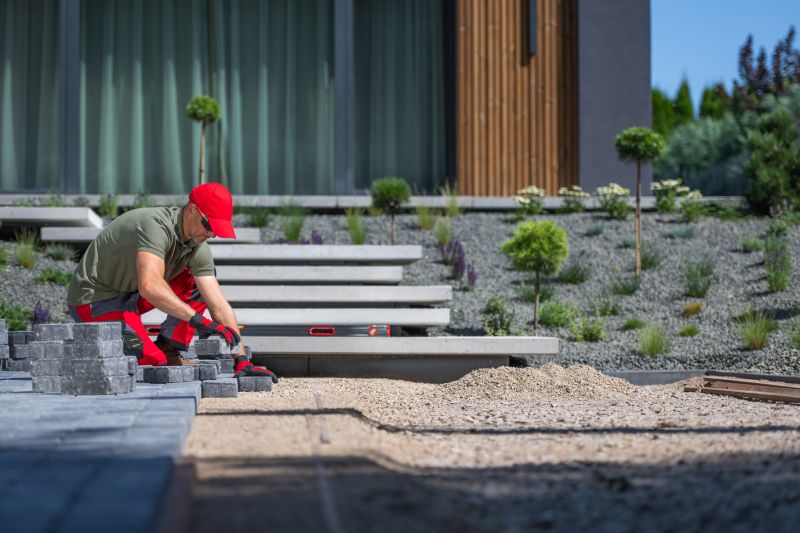
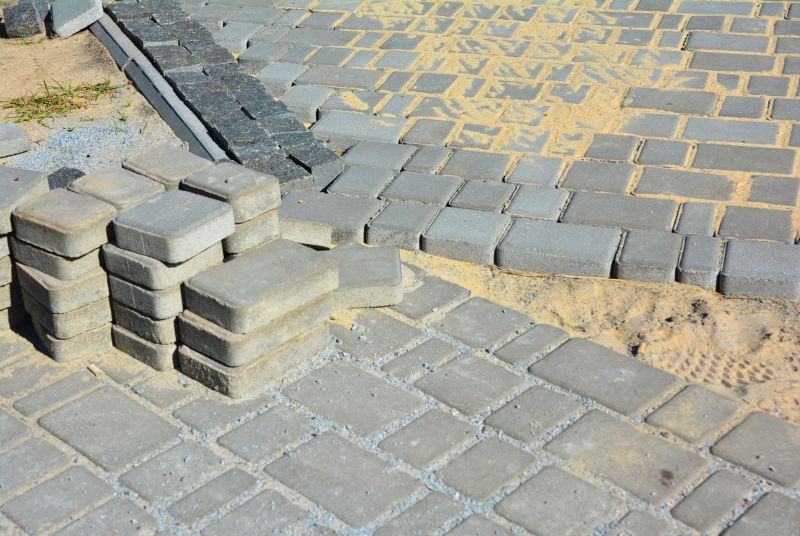
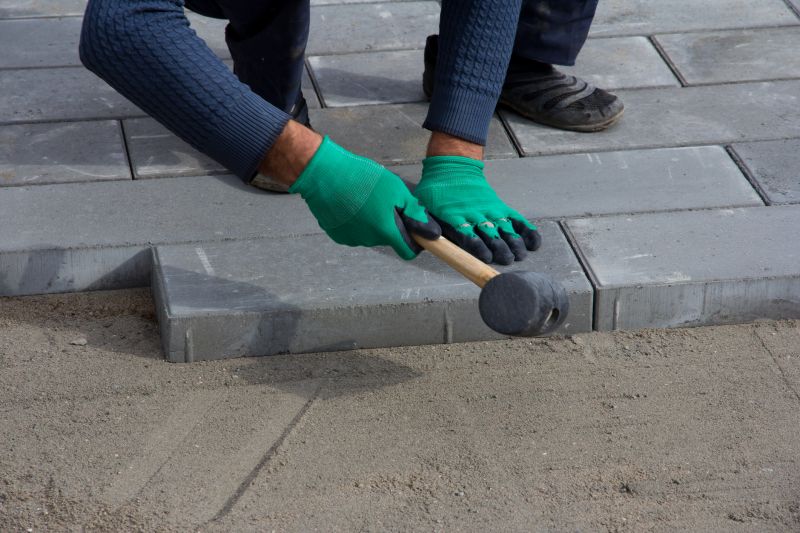
When homeowners search for how the paver installation process works step-by-step, they are often seeking a clear understanding of what to expect when planning a new paved surface. This topic typically relates to projects such as installing patios, walkways, driveways, or pool decks. Many property owners want to ensure that their investment will result in a durable, attractive surface that enhances their outdoor space. Understanding the process helps homeowners prepare for what’s involved, from initial planning to the final finish, and makes it easier to evaluate proposals from local contractors.
The process generally begins with site assessment and planning, where local service providers evaluate the property’s terrain, drainage, and existing conditions. This step is crucial to determine the best layout and materials for the project. Next, the area is cleared and excavated to create a stable base, which involves removing existing surfaces and leveling the ground. Proper base preparation is essential to prevent future shifting or cracking. Once the base is set, a layer of compacted gravel or sand is installed to provide a solid foundation, followed by the placement of the pavers themselves, which are carefully laid out and fitted.
During the installation, local pros focus on ensuring the pavers are aligned correctly and spaced evenly. They also cut pavers as needed to fit edges or around obstacles, maintaining a clean, professional appearance. After the pavers are in place, a jointing material such as sand or polymeric sand is swept into the gaps to lock the pavers together and prevent shifting. The final step often involves compacting the surface again to settle the pavers into place and applying a sealant if desired. This step-by-step process ensures the finished surface is both functional and visually appealing, and it highlights the importance of skilled workmanship at each stage.
For property owners, understanding how the paver installation process works step-by-step makes it easier to coordinate with local contractors and plan their project effectively. Many properties that undergo paving projects include residential yards, commercial walkways, or community spaces, each with unique considerations. Local service providers bring expertise in managing these details, from preparing the site to completing the finishing touches. By working with experienced pros, homeowners can ensure their project is completed correctly, with the right materials and techniques tailored to their property’s specific needs.
Concrete paving projects - these projects require similar planning, site preparation, and precise installation techniques as paver installation services.
Patio construction - building patios involves similar surface leveling, base preparation, and material placement skills used in paver installation.
Driveway paving - driveway projects demand careful planning and surface preparation, aligning with the steps involved in paver installation processes.
Walkway and pathway installation - constructing walkways involves similar layout, excavation, and material setting methods as paver projects.
Retaining wall construction - these projects require foundational work and structural planning comparable to paver installation procedures.
Landscape edging services - installing landscape borders involves site prep and precise placement skills that are also essential in paver installation work.
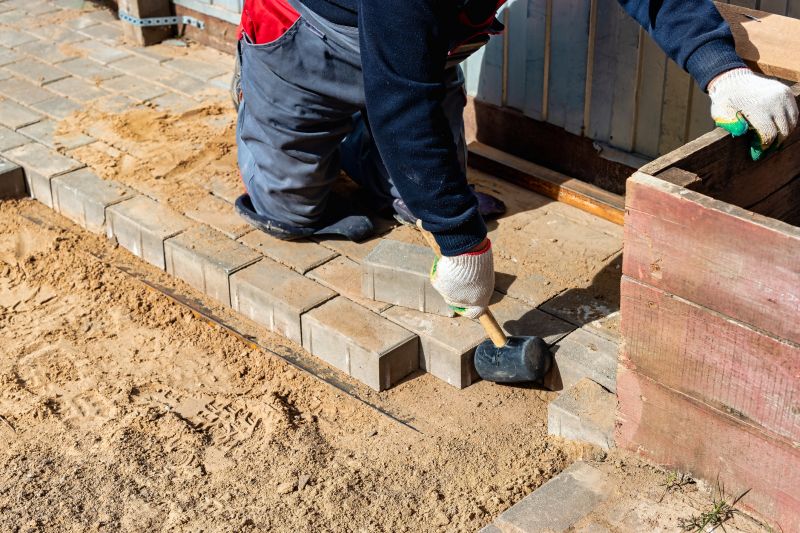
When comparing local contractors for paver installation services, it’s important to consider their experience with similar projects. Homeowners should inquire about the types of paving projects the service providers have completed in the past and seek out those with a proven track record of handling installations comparable in size, scope, and style. An experienced contractor will typically have a deeper understanding of the various paver materials, site preparation requirements, and installation techniques, which can contribute to a smoother process and more reliable results. Evaluating a contractor’s portfolio or requesting references can provide insight into their familiarity with the specific steps involved in the paver installation process and their ability to deliver quality work.
Clear written expectations are essential when assessing potential service providers. Homeowners should look for contractors who provide detailed project descriptions, including the scope of work, materials to be used, and the sequence of installation steps. Having this information in writing helps ensure that everyone is aligned on the process and reduces misunderstandings. Reputable local contractors are often transparent about what the job entails and can explain how they approach each phase of the paver installation process, from site preparation and base installation to the laying of pavers and finishing touches. Clear expectations also facilitate smoother communication throughout the project, making it easier to address questions or concerns as they arise.
Good communication and reputable references are key factors when choosing a service provider for paver installation. Homeowners should seek out local contractors who are responsive to inquiries and willing to provide references from past clients. Speaking with previous customers can offer valuable insights into the contractor’s professionalism, reliability, and how well they adhere to the outlined process. Consistent and open communication helps ensure that the homeowner’s expectations are understood and that any issues are addressed promptly. By focusing on contractors with positive references and a reputation for clear, ongoing communication, homeowners can feel more confident in their choice and better understand how the paver installation process will unfold from start to finish.
Property owners often search for how the paver installation process works step-by-step when they are planning practical projects around their homes and businesses. Local pros provide Paver Installation Process services for everyday jobs and straightforward project options.
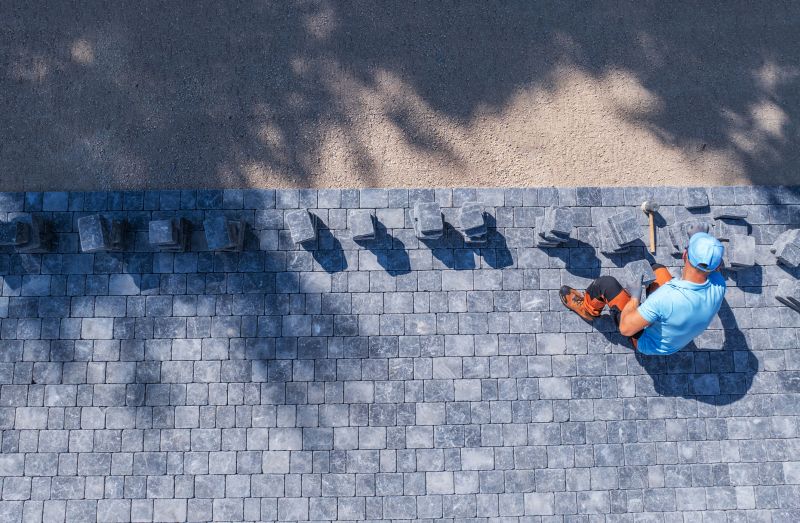
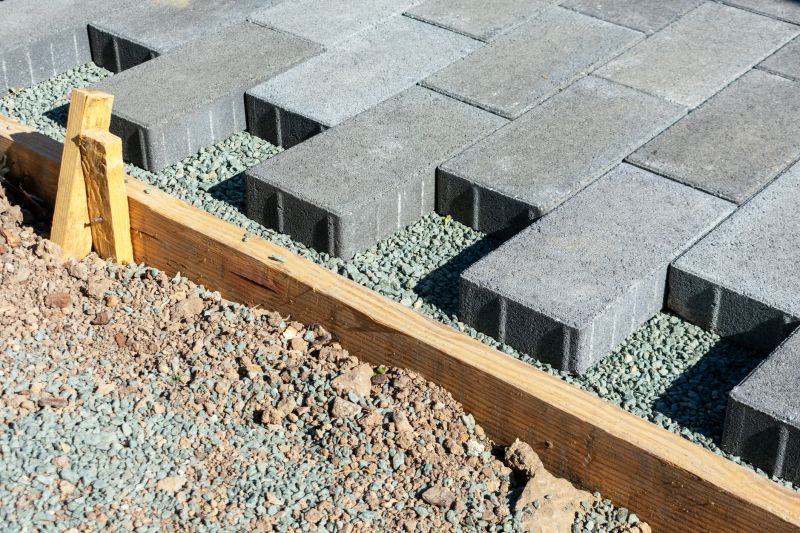
Understanding how the paver installation process works step-by-step can help property owners plan for improvements such as patios, walkways, or driveways. Typically, local contractors start by preparing the area, which involves clearing the existing surface and ensuring the ground is level. They then lay a foundation of crushed stone or gravel to provide stability and drainage. Once the base is set, the pavers are carefully placed in the desired pattern, often with the use of spacers to maintain even gaps. The process concludes with filling the joints with sand or another material to lock the pavers in place, resulting in a durable and attractive surface.
Many property owners in the area look up this topic to better understand what to expect during a paver installation or to determine if they need this service for upcoming projects. By connecting with local service providers, they can get expert assistance in managing each step of the process, from site preparation to final finishing touches. These local contractors have experience working on projects of various sizes and can help ensure the installation is done properly, adding value and functionality to outdoor spaces.
What are the initial steps in the paver installation process? Local contractors typically start with site assessment and preparation, which includes clearing the area and ensuring a stable base for the pavers.
How do professionals prepare the ground before laying pavers? They usually excavate the area, remove debris, and install a compacted gravel or sand base to ensure proper drainage and stability.
What is involved in laying the pavers during installation? Pavers are carefully placed in the desired pattern, with professionals adjusting spacing and alignment for a uniform appearance.
How do service providers finish the paver installation? They typically add joint sand or mortar, compact the pavers to secure them, and perform final leveling to ensure a smooth surface.
What steps are taken after the pavers are installed? Contractors often perform clean-up, inspect the work, and may apply sealant or other finishing touches to preserve the pavers’ appearance and durability.
Understanding site preparation - property owners can work with local contractors to ensure the area is properly cleared and leveled before installation begins.
Selecting paver materials - choosing the right type of pavers helps property owners match their style and functional needs for outdoor spaces.
Learning about the installation process - knowing how local pros lay and secure pavers can help owners plan for a durable and attractive finished surface.
Planning for finishing touches - property owners can coordinate with service providers to add edging or sealant for a polished, long-lasting result.
If you are thinking about how the paver installation process works step-by-step for a property, this guide is meant to help you understand this topic, the typical project types, and how different options might fit your plans.
When you are ready, you can use the quote form on this page to share a few details about your project. From there, local pros can review the basics and follow up with options that match what you have in mind.